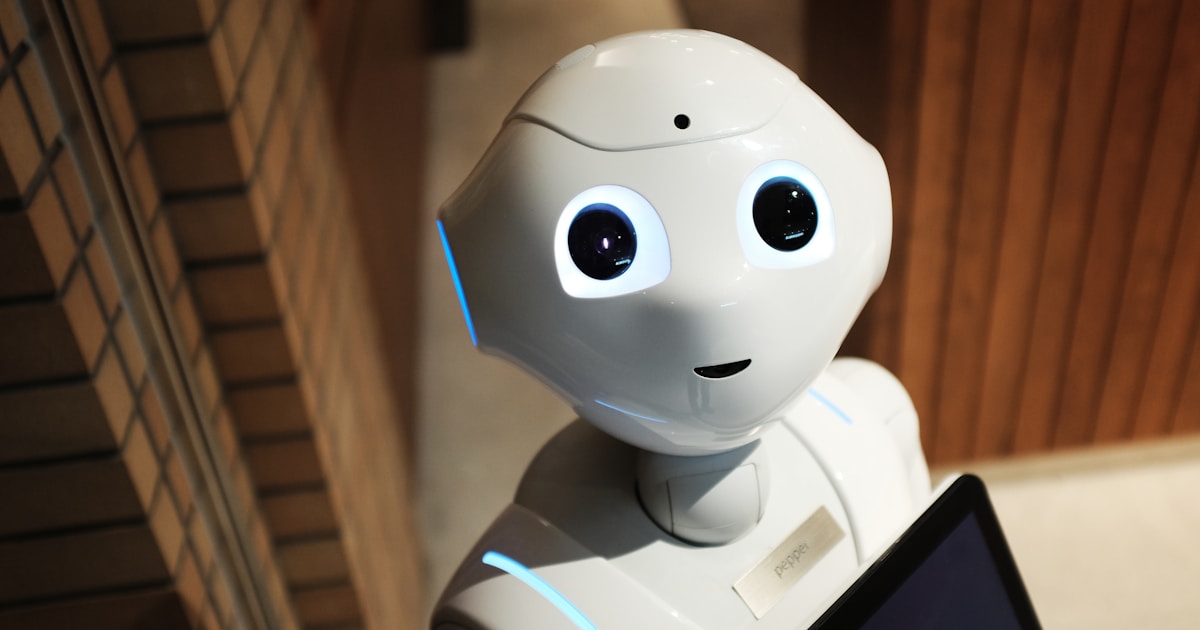
AI image generation has advanced rapidly with tools like DALL-E, Midjourney, and Stable Diffusion creating increasingly realistic images. Detecting these synthetic images requires specialized techniques.
How AI Image Detection Works
AI image detectors analyze pixel-level patterns, metadata, and structural artifacts that differ between real photographs and AI-generated images. These include subtle inconsistencies in lighting, texture, and geometric patterns.
Common Detection Techniques
- Frequency analysis examines the spectral characteristics of images, where AI-generated images often show distinctive patterns in high-frequency components.
- Metadata inspection checks for camera EXIF data, compression artifacts, and other markers that real photographs contain but AI images lack.
- Neural network classifiers trained on datasets of real and synthetic images can detect visual patterns invisible to the human eye.
- GAN fingerprinting identifies the unique artifacts left by specific generative models.
Challenges
Image detection faces unique challenges: upscaling, compression, cropping, and filters can all degrade detection signals. As generation quality improves, the arms race between generators and detectors continues.
The Importance of Multi-Signal Detection
The most reliable approach combines multiple detection methods. No single technique is sufficient, but together they can achieve high accuracy across different generation methods and image types.